0
Table of Contents
In-house design team vs agency for pre-seed and seed startups
A steady design backlog can justify a first hire. A launch can call for outside help. Here’s when each setup makes sense for a pre-seed or seed startup and when to combine the two.
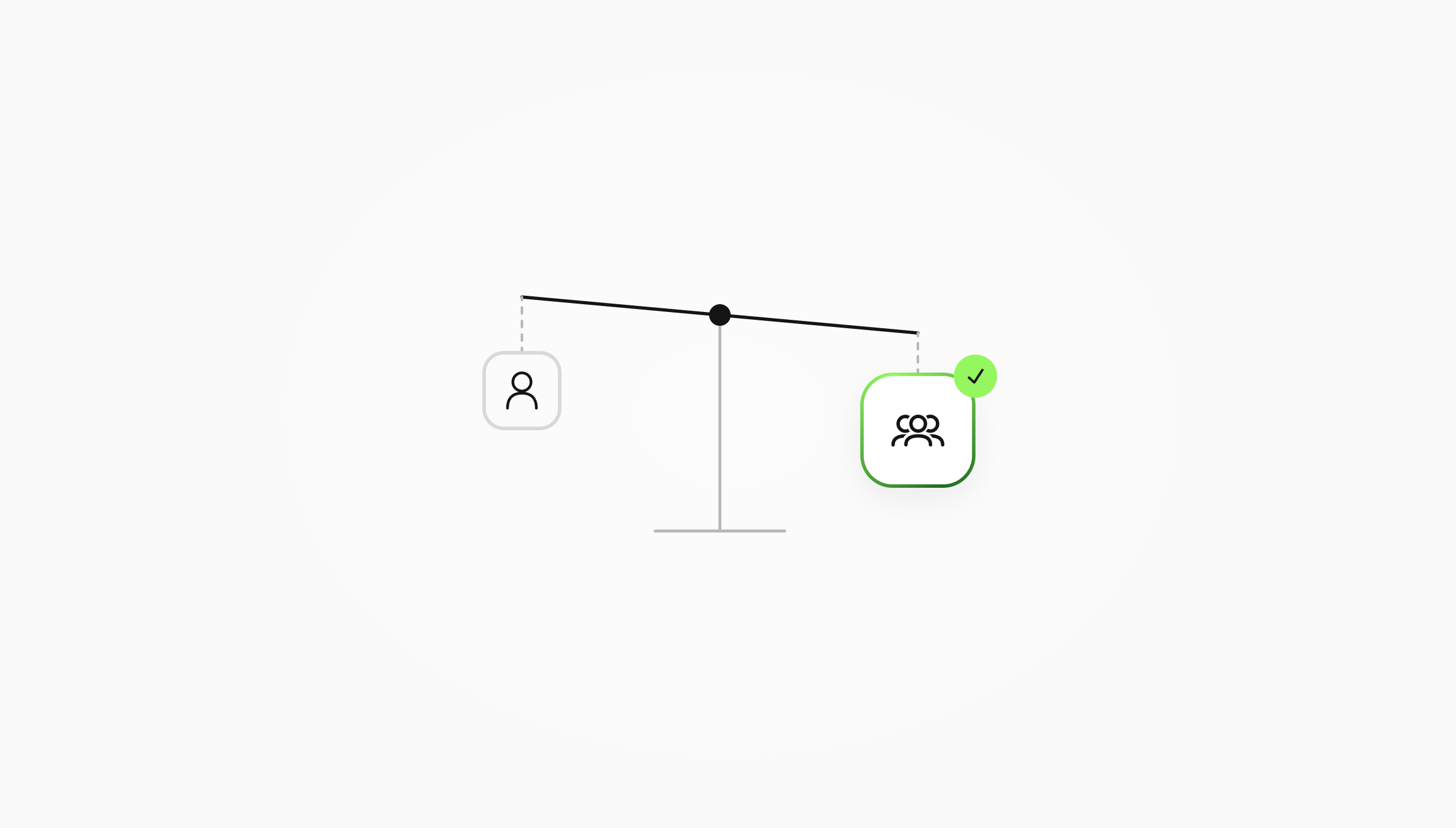
An in-house designer makes sense when you have steady product work and someone who can support the role. An agency can help when you need several design skills for a defined project or more capacity than you can hire in time. A hybrid setup gives you another option: keep product knowledge close and bring in outside help where you need it.
For pre-seed and seed startups, choosing between these models comes down to what your product needs now and what your team can sustain. You’re working toward product-market fit, watching the budget, and trying to give users something they can actually understand and use. Design has a part in all of that.
The tricky bit is figuring out how much design work you have, which skills it calls for, and who will make decisions along the way. Let’s look at the advantages and disadvantages with those questions in mind.

Understanding pre-seed and seed startups
At pre-seed, you may be testing the problem, shaping an early product, or finding your first customers. At seed, you may be improving the product, testing the business model, or expanding your customer base.

At both stages, budgets can be tight and teams small. You need to learn enough to make the next decision while keeping the product moving. The clock is ticking, and you need to hire the best talent as well!
Still, the funding label only tells you so much. A seed startup might have a steady stream of improvements for an existing product, while another is reconsidering its main user flow. Those teams could need quite different kinds of design help.
Match the model to uncertainty and design workload
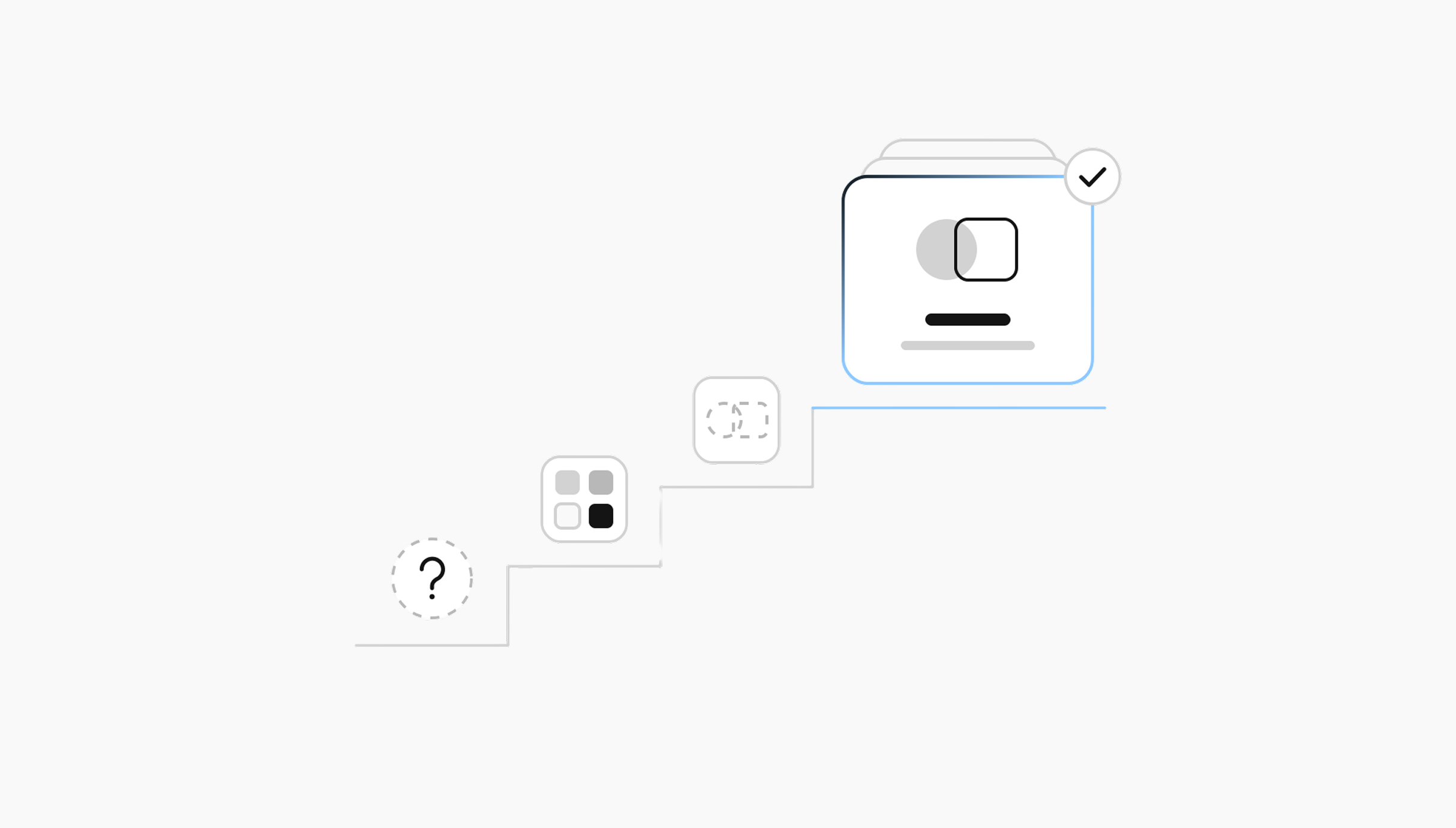
Start with what you’re trying to figure out:
- The user’s problem. You need to understand who you’re designing for and what they are struggling with. That calls for access to users and someone who can turn what you learn into product decisions.
- The proposed solution. You understand the problem, but need to check whether a flow, prototype, or feature helps people complete the task.
- The workload. You may need ongoing product design, a short burst of work before launch, or a specialist for one part of the product.
- The domain. Your designer may need to learn complex workflows, terminology, and business rules before making sensible changes.
An agency can help you investigate these questions. You’ll still need someone inside the startup who can explain the business, arrange access to users, and decide what to do next. The same applies to your first in-house designer: give them a way to find answers rather than expecting them to arrive with all of them.
If you’re still sorting out the problem and priorities, our Product UX Discovery Kit offers a starting point for organizing that work.
In-house design team vs agency: a practical comparison
An in-house design team works within your company. A design agency supplies an external team for an agreed scope or ongoing engagement. In a hybrid model, internal and external people share the work, with clear responsibility for each part.
Here’s how the choices compare for an early-stage product team.
| What you need to consider | In-house | Agency | Hybrid |
|---|---|---|---|
| Stage and uncertainty | Keeps a designer close to daily product learning | Can bring research or specialist help to a defined problem | Keeps product decisions internal while adding the skills needed to investigate them |
| Workload | Fits a sustained stream of relevant work | Can cover a project or a change in demand, subject to availability and scope | Covers recurring work internally and adds help for specific gaps or peaks |
| Skill coverage | Covers your hire’s strengths; other disciplines may need outside help | Can cover several disciplines if the right specialists are assigned | Adds selected skills to your internal role; responsibilities need clear boundaries |
| Time to useful work | Hiring, onboarding, product learning, and access all take time | Depends on availability, onboarding, access, and timely decisions | Both teams need shared priorities, access, and a workable review process |
| Management | Needs hiring, feedback, development, and design direction | Needs a clear brief, timely decisions, and coordination with your team | Needs one person to resolve priorities across both sides |
| Domain knowledge and continuity | Builds through continued involvement; document it so it survives a departure | Builds through access to users, product decisions, and ongoing work | Keeps a continuing internal contact and shares the reasoning behind changes |
| Control and ownership | Can be reprioritized directly within the team | Works through agreed responsibilities and engagement terms | Needs a clear split between deciding, designing, and approving |
| Cost and handoff | Employment costs continue through busy and quiet periods; specialist help may add cost | The fee covers agreed work; extras and transition support may add cost | Combines internal and external costs; overlapping work and coordination need attention |
Use the table to compare the people and arrangement you’re actually considering. One junior designer and an agency team with several senior specialists are very different purchases, even if both proposals have “design” in the title.
In-house designers: pros and cons
For pre-seed and seed startups, an in-house designer can become closely involved in how the product develops. They can follow decisions from the first discussion through implementation and see what happens after users get their hands on it.
That continuity is useful when design work keeps coming, and the questions get more detailed as the product grows.
Where continuity and domain knowledge help
Culture alignment and focus. A designer who works with your team every day has more opportunities to understand its goals, habits, and priorities. They can see why a decision matters to the business and keep that context when a new request arrives.
A closer understanding of users. Being involved in research, support conversations, and product reviews helps a designer connect individual requests to a larger picture. Over time, there is less explaining to do before they can start working on a problem.
Direct oversight. You can discuss a change with the person doing the work and adjust priorities together. This is handy when product development involves frequent small decisions rather than one neatly bounded project.
Understanding team dynamics. An internal designer can learn how your developers work, where implementation gets difficult, and who needs to be involved in a decision. That knowledge helps them propose work the team can build and support.
These advantages need room to develop. When your designer joins product discussions, sees user feedback, and understands the business reasons behind decisions, they have more context for their own choices.
Hiring, management, and capacity constraints
Hiring comes with more work than posting a vacancy and approving a salary. You have to find someone whose strengths match your needs, assess their work, onboard them, and give them a reason to stay.
There are also employment costs, equipment, software, and time spent helping a new teammate learn the product. Those commitments continue through quieter periods as well as busy ones.
Then there’s the role itself. Your first designer might be comfortable with research and product flows but need help with branding or a larger design system. Expecting one person to cover every discipline can leave you with unfinished work and a rather tired designer.
Mentorship deserves some thought, too. If nobody in the startup has a design background, who will give useful critique and help the designer develop? A senior hire may be able to work more independently; a less experienced designer needs more direction. Plan for that before deciding which role you can afford.
Keeping the work varied and giving the designer meaningful feedback also matters for retention. Repetitive tasks and little say in the product can make a role frustrating. Give the person a clear purpose and opportunities to improve the work.
Finally, consider busy periods and absences. If your designer is handling the main product, a website update, and launch materials at once, something has to wait. You’ll need to choose priorities, move a deadline, or bring in help.
Design agencies: pros and cons
A design agency can give a small startup access to skills it would otherwise have to hire separately. That can be useful when the work spans several areas or when you need experienced people for a particular project.
The arrangement works best when both teams understand the problem, the scope, and how decisions will be made.
When external expertise and capacity help
A broader mix of skills. An agency may bring together researchers, product designers, visual designers, and other specialists. When you know who will work on the project, what they’ll cover, and how much time they have, you can judge whether the team fits the work you need.
Relevant experience and a fresh perspective. Someone who has worked on similar products may recognize a difficult flow or ask a question your team has stopped asking. Their outside view can be useful, especially when you’ve been discussing the same feature for a while. They still need to learn what makes your users and business different.
An established way of working. A team that already works together may have useful routines for planning, critique, and delivery. You can agree how those routines fit with your developers and product lead instead of setting up every part of a design function from scratch.
Flexible support. A defined project or ongoing engagement can cover a need that doesn’t justify several permanent hires. You can also discuss adding a specialist for a particular task. Before you plan around a specialist’s help, it’s worth checking their availability and cost so you know whether they fit your budget and schedule.
Context, availability, and coordination constraints
An external team won’t automatically pick up the knowledge your colleagues exchange in everyday conversations. The agency has a better basis for design decisions when you share research, explain business rules, and include its designers in the discussions that affect their work.
The same applies to company culture and brand direction. If you have a strong opinion about how the product should feel, explain it early and show examples. A vague brief followed by a very specific reaction is a difficult way to get there.
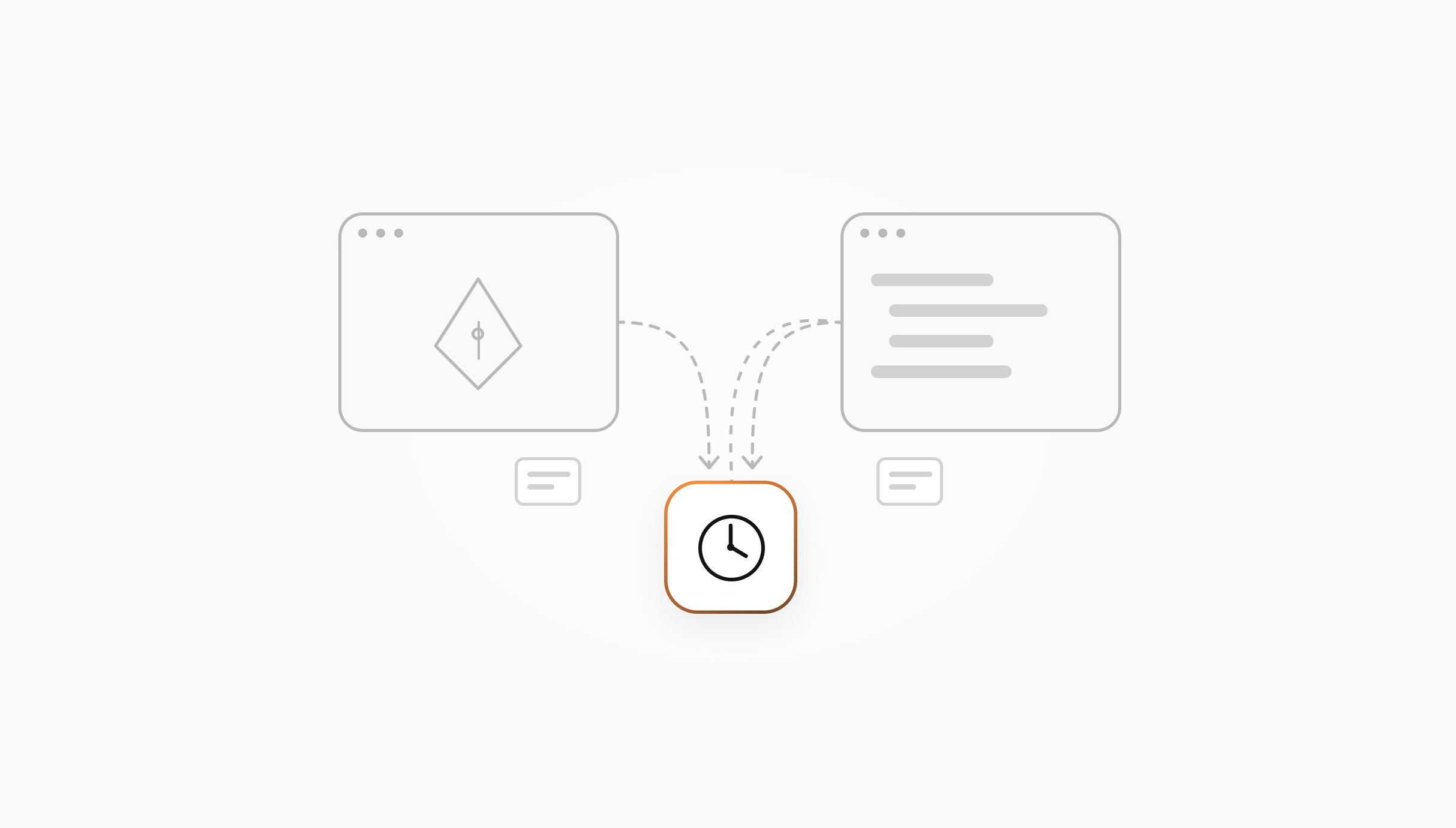
You’ll also need to consider schedules. An agency may be working with other clients, and a change in your priorities can affect the people available to help. When you agree on how the agency handles requests, including urgent ones, you have a clearer idea of what it can take on and what may need more time.
Customer service matters here: who answers questions, raises an issue, and follows it through? A clear point of contact and a workable feedback process make the relationship easier to manage. You’ll still need time on your side for reviews and decisions.
Security and confidentiality belong in the arrangement as well. You should agree who can access each type of material and how access will be removed when it’s no longer needed, so both teams know how to handle sensitive information. An internal title or an agency contract alone doesn’t answer those questions.
And, of course, there’s the fee. For a startup with a limited budget, money is a touchy subject. An agency can be a sensible way to buy the work you need, but a proposal needs a closer look than its headline price. Which brings us to the next part.
Cost considerations
Hiring an in-house designer can make financial sense when you have steady, ongoing work that suits their skills. An agency can make sense for a bounded project, a specialist task, or a temporary increase in demand.
Comparing the same work over the same period makes it easier to see which arrangement fits your budget and workload.
Compare the same scope over the same period
A written list of the work, skills, and responsibilities gives you a shared scope for comparing the options. Research, interaction design, visual design, and implementation support belong on that list where you need them.
Then use a simple worksheet:
| Cost to fill in | In-house option | Agency option |
|---|---|---|
| Main cost for the period | Salary and employer costs | Agreed project fee or retainer |
| Getting started | Recruiting and onboarding | Selection, onboarding, and discovery if separately scoped |
| Tools and other resources | Software, equipment, and relevant licenses | Any tools, assets, or licenses outside the fee |
| Your team’s involvement | Management, critique, and product decisions | Briefing, reviews, product decisions, and coordination |
| Missing skills or extra work | Additional specialist support | Work outside scope and agreed additional revisions |
| Continuity and transition | Cover for absences and knowledge transfer | Agreed ongoing support and handoff to your team |
Keep cash costs separate from an estimate of your team’s time, so you can see both the bill and the workload. Count each item once: an agency may include project management in its fee, while an internal manager’s time may already be part of your payroll.
For a hybrid model, add the internal commitment, the external scope, and the time needed to coordinate them. Check for overlapping responsibilities before paying two people to solve the same problem.
Include management and transition costs
A lower fee can become less attractive if it leaves your team doing work you expected the designer to handle. Equally, a full-time hire can be a poor use of budget if the relevant work runs out between projects.
Knowing who will prepare briefs, arrange user conversations, review designs, and answer implementation questions lets you compare the prices alongside the work your own team will need to do.
If you plan to hire internally later, the handoff needs enough time to cover the files and the reasoning behind them, so the new designer can continue the work you’ve already paid for.
Case studies and examples
The work itself helps show why different teams need different kinds of design support. Here are two examples from Merge.
Merge and Insure+

Our Insure+ project covered research and design for an insurance app, an AI bot, and an underwriting platform, along with a pitch deck for potential investors.
The scope combined product work with explaining the business to another audience. For a founder considering a similar mix, it’s worth looking at which skills are needed for each task and how much ongoing work will remain once those pieces are complete.
A dedicated team for Invisibly
For Invisibly, our work included UX research, UX/UI design, a design system, and marketing materials such as landing pages, illustrations, and presentation templates.
This is a broader set of needs to consider when planning a design team. You may want one person close to the core product and additional help with the other areas, or a dedicated external team covering an agreed scope. Mapping those responsibilities before you hire makes it easier to see where one designer will need support.
Other factors to consider when making the decision
Your business goals, the nature of the design work, and project timelines all affect which arrangement will be practical. You can choose an arrangement for this phase and revisit it when the work changes.
Scenarios for pre-seed and seed teams
You’re still figuring out the product. If the work changes as you learn and there isn’t a steady design backlog yet, a focused research or design engagement can help with the next decision. A founder or product lead can keep the work moving by setting priorities and arranging access to users.
You have a regular flow of product work. If the product needs continued attention and understanding the domain takes time, an internal designer can build on that knowledge from one task to the next. The role also needs someone who can give useful feedback, so the designer has support when the work gets tricky.
A launch creates a temporary peak. An agency may help you cover several kinds of work without recruiting for each one. Confirming the team’s availability and setting aside time for reviews makes the launch plan more realistic. Waiting for approval still takes time, whoever does the design.
Your designer needs help with one area. Keep their product knowledge in place and bring in a specialist for the gap, whether that’s research, visual design, or design-system work. A clear agreement on who leads each part and how the work fits together helps your designer and the specialist spot gaps or overlap.
Your agency work has become ongoing. If there is enough recurring work for an internal role, consider hiring and arranging a handoff. You may still want external help for specific tasks after the new designer settles in.
How a hybrid design model works
A hybrid model can give you continuity and extra capacity, provided the responsibilities are clear. An internal designer might lead the core product while an agency handles a defined redesign or specialist task. If you don’t have an internal designer yet, a founder or product lead can remain responsible for product decisions while the agency carries out the agreed design work.
Shared priorities show both teams what matters next. Clear responsibility for design approvals, developers’ questions, and conflicts between the teams makes day-to-day decisions easier. Outside designers also need the relevant product context, while the internal team needs to see the decisions made during the project.
You should be able to explain the division of work in a few sentences. If it takes a meeting just to work out who owns the next task, simplify the arrangement.
Ownership, continuity, and handoff
Product ownership and ownership of the design files are separate questions. Someone needs to remain accountable for the product’s priorities and decisions. You also need clear rights to use the work, access to editable files, and an understanding of any third-party licenses. It’s better to agree on those terms before work starts, so both teams know what you’ll be able to use and control afterward.
For the actual handoff, check a few practical things:
| What needs to carry over | Who takes care of it | How to check it |
|---|---|---|
| Current files, components, design states, and linked libraries or assets | Outgoing designer organizes them; product lead agrees access with the incoming team | The next person can open and edit the approved files and use the linked resources |
| Decisions and their reasoning | Designer and product lead record the main choices | The next person understands why a flow works the way it does |
| Research and domain knowledge | Designer and product lead share findings they can pass on and explain the workflows | The next person can find the relevant research and understand the product’s terminology |
| Open questions and priorities | Product lead agrees them with both teams | Everyone knows what is finished and what comes next |
| Implementation questions and follow-up | Designers and developers agree contacts and available support | The next task can move forward without chasing an unavailable person |
A walkthrough gives the incoming designer and developers a chance to ask about unusual states, unresolved questions, and decisions a screen alone can’t explain. That context makes it easier to continue the next task without rebuilding the whole story first.
That same habit helps when an employee leaves, or someone else covers their work. Keep useful product knowledge somewhere the rest of the team can easily find it.
Conclusion
An in-house designer is a good fit when you have sustained product work, need close domain knowledge, and can support the role. An agency can be useful for a defined project, several skills you need together, or a temporary increase in demand. Keeping someone inside your company responsible for product decisions helps either arrangement stay connected to your priorities.
A blend of in-house and agency can also be a good approach. You can build continuity internally and bring in expertise where it adds something specific. Start with the work ahead of you, compare the full commitments, and leave yourself a sensible way to change the arrangement as the product grows.
If you’re ready to choose an external partner, our startup design agency buyer’s guide explains how to evaluate one. If you already know the product work you need help with, talk to Merge about UI/UX design, and we can discuss a suitable scope.
Common questions
Is an agency cheaper than an in-house designer?
An agency can cost less when you need a defined piece of work or occasional specialist help. An internal hire can make more sense for sustained work that fits their skills. Compare the same scope and period, including employer costs, coordination, additional expertise, and handoff.
Can a startup work without an in-house designer?
Yes. An external team can carry out the design work, with a founder or product lead setting priorities, sharing context, and making product decisions. That person needs enough time to review designs, make decisions, and coordinate with developers so the external team can keep its work connected to development.
When should you move design in-house?
Consider it when the work has become regular, product knowledge needs to stay close, and you can support an internal role. Arrange the transition so the incoming designer receives the files, research, and reasoning they need. You can continue using outside specialists for areas the role doesn’t cover.