SaaS design agency for what happens after signup
Make your SaaS easier to use without losing its power
Your SaaS has to make sense to people who didn’t build it. We design around what customers come to do without burying the capabilities that make your product valuable. When you need development too, our engineers build the experience our designers shaped.
Hire us

Knowing what to do next shouldn’t be the hard part


SaaS design services with development when you need it
We design your product’s screens and interactions, including what people see when there’s no data yet or an action fails. Reusable UI components help new features feel like part of the same product. Our engineers can build the front end or full application and connect its APIs. For the website, we map the pages and design for desktop and mobile.


See what we’ve built and redesigned for SaaS teams
We built Agentless’s home-buying platform and redesigned the parts of Capable and TelQ that users found hard to use. Find the case closest to your product challenge and see what we delivered.


Agentless
Agentless is a real estate SaaS platform for U.S. homebuyers who want to purchase without a buyer’s agent. It gives them one online place to work with property details, prepare offers and agreements, and review inspection reports as the purchase progresses. Product challenge Before committing to the build, we had to establish how the platform would obtain property data and account for purchase-document requirements that vary by state. The buyer journey also needed to remain understandable without an agent. Our contribution We investigated technical feasibility, mapped the buyer journey in wireframes, designed the UI, and built the front end and backend. We integrated AI to organise property information and summarise inspection reports. Delivered We delivered a live web platform with purchase-document flows that account for the buyer’s state and AI-assisted inspection summaries. We also created the Agentless brand and a separate Webflow site with a savings calculator.
What our clients say



"It almost felt like the Merge team was part of our team... very open, honest, real collaboration. Our metrics have improved for sure."
Sankari Nair, Co-Founder of Recall






“Overall, it’s been a great experience. The team’s been super responsive. The speed of implementing the designs in Figma and the speed of responding to our feedback and implementing changes were really good. Pleased with the amount that we got done.”
Winston Chenery, Senior Director of Marketing at Everyday Speech




How your SaaS design moves into development
You see the key product decisions before they become a finished interface. We agree on the work, get your approval on the direction, then review the design as it expands.
1
Set the scope
Share your requirements, current product materials and known dependencies. Together we decide what this engagement covers, who reviews the work and what remains outside it. If your SaaS is already live, test access lets us see the experience your users have today.
2
Approve the direction
We work through the agreed interaction or page structure and develop a representative screen or page. You review the UX and visual direction before we expand the design, so your team can catch a wrong assumption before it shapes the rest of the interface.
3
Design in batches
We develop the agreed screens, states and components in reviewable batches. You give feedback at agreed checkpoints, and we carry the changes through related flows and components. You approve each batch before we call it complete.
4
Build or hand off
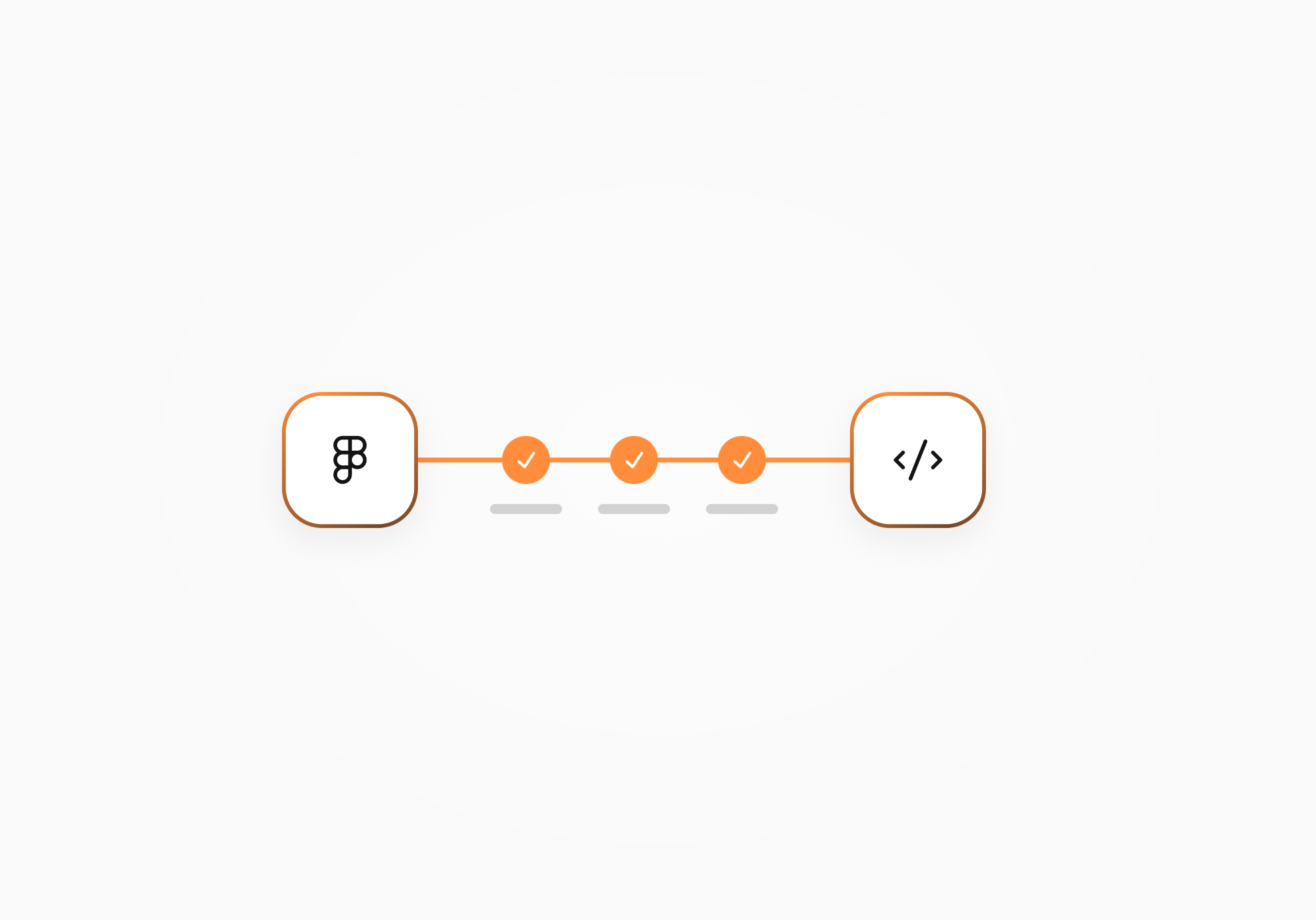
We can build the agreed front end or full application. If your team builds it, we deliver editable Figma files with approved screens, states, components, assets and interaction notes, then walk your developers through the technical handoff.
Why SaaS teams choose Merge Rocks

Senior people who think with you
Sometimes the right design decision is to question the request. Our senior designers and engineers help you weigh the alternatives and understand which one makes the task easier for your users.

A UI foundation that fits the job
A UI foundation needs upkeep as your product changes. We recommend a UI kit or design system that fits the team maintaining it, so you pay for structure you’ll actually use.

Engineering input as we design
When we build your SaaS, designers and engineers check what the data and APIs allow. We work through the trade-offs during design, helping you avoid interface changes once the build starts.
Technology for building your SaaS product
We build SaaS interfaces, backend services and mobile apps. An existing codebase gives us the technical starting point; for a new product, we choose technologies around its workflows, data and future maintenance.


Data, deployment and integrations
Changing user permissions can affect database rules and connected workflows, not just screens. We've used the tools below for data, deployment, source control, AI and automation. When development is in scope, we account for those dependencies in the build.


See how we design for your industry
Explore our design services and the work we’ve done in your industry.


Fintech
People need to understand a charge before they trust it. We make payments and tax calculations easier to check.

Healthtech
Healthcare teams need to see the detail behind a result. We keep medical findings and supporting data together.

Edtech
We help learners pick up where they left off and give educators a clearer view of each person’s progress.

Proptech
Property details and documents stay together, helping buyers follow the deal and see what needs their attention.
Logistics
Shipping costs can hide in the detail. We help teams spot the invoices and charges that need a closer look.

Security
Security teams can see what triggered an alert and review the supporting evidence before deciding what to do next.
Questions to settle before your SaaS project starts
Plan around 8–12 weeks for SaaS product design and development. A SaaS marketing website typically takes 3–4 weeks. For a focused redesign, we estimate the affected workflow separately.
We need to know who can approve an action and which system provides the data. Changing those decisions can mean reworking both the screens and the code. An integration another team is still building can hold up your launch even when the designs are ready.
For SaaS product design, our average monthly budget is $7,200. Our senior developer rate is $45–55 per hour. For design and development together, $20,000 is an indicative project budget.
If your backend already does the job, we can build on it. Adding billing rules or connecting another system means more work behind the interface, even if the screen itself barely changes.