MVP development services for new software products
Build the first release around what makes it worth using
Bring us an early idea or the product materials you already have. We define the useful core and carry it through product design and software engineering into a working MVP.
Book a call


Start custom MVP development at the right stage
Startups and established product teams come to us with an idea, brief, prototype, or backlog. As an MVP development company, we review the evidence and separate settled decisions from constraints, dependencies, and questions that still need validation. If the intended users, core workflow, or priorities remain unclear, Product UX Discovery can help answer those questions before the first-release scope is set. Waffly shows one route: Merge contributed discovery, product architecture and planning, POC development, and MVP development.

MVP development services scoped to your first release
Your agreed scope becomes a concrete set of product planning, interface design, software engineering, QA, and release outputs for the MVP.

First-release scope and product backlog
Document the agreed first-release scope, key dependencies, and deferred priorities in a product backlog that guides delivery.

Core user flows and interaction prototypes
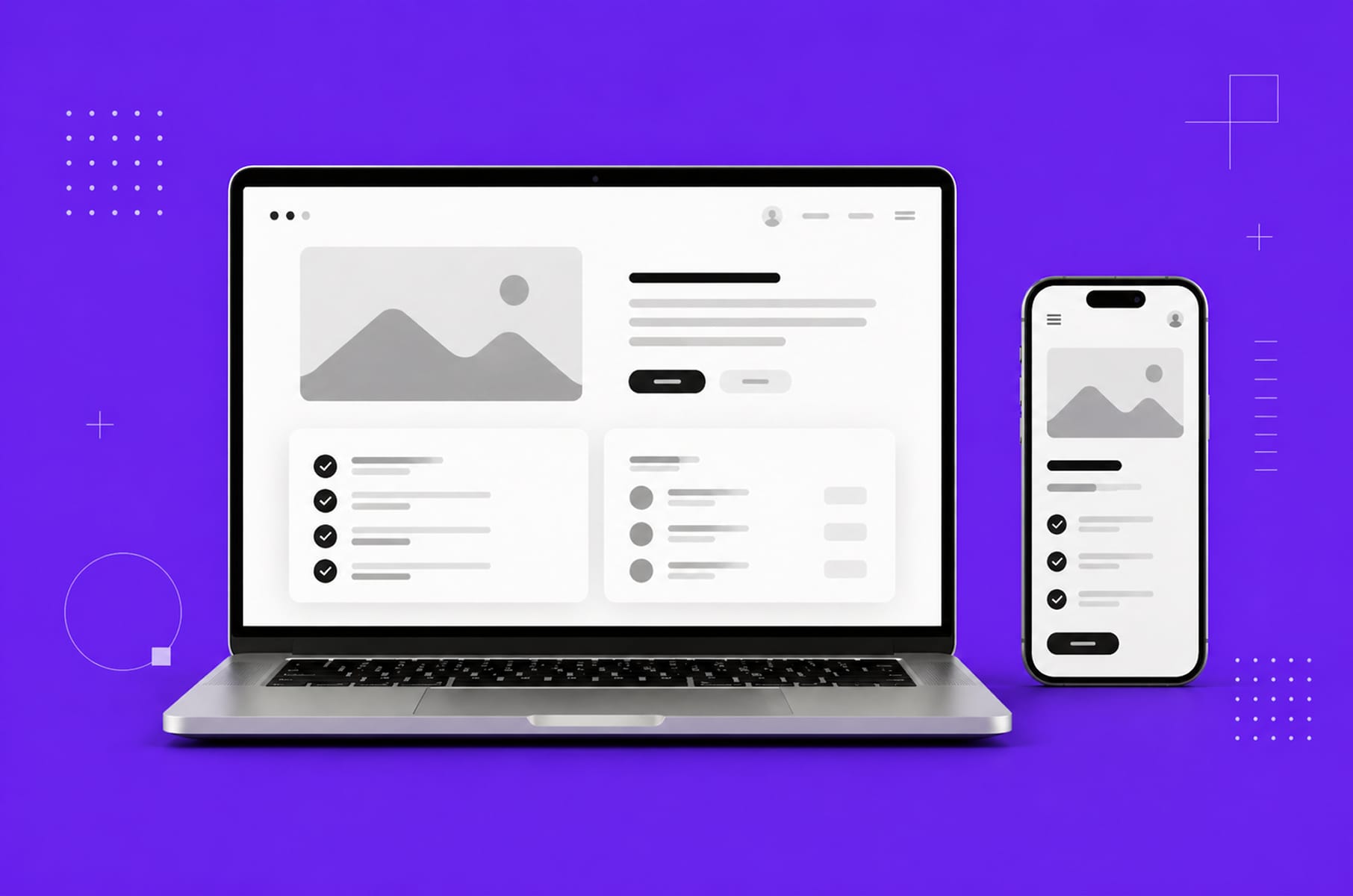
Map the core user flows and prepare wireframes or prototypes when interaction choices need to be resolved before engineering.

Production interface design and UI components
Deliver approved screens, required states, reusable components, and responsive behavior for the user flows in the first release.

Software engineering and product integrations
Build the front end, back end, APIs, data layer, AI features, payments, or other integrations included in the agreed scope.

Quality assurance and release preparation
Test the agreed flows and key states, resolve release-blocking issues, and prepare the scoped MVP for staging or deployment.

Launch feedback and next-release backlog
Prepare a launch feedback plan and a next-release backlog for deferred work, priorities, and decisions to revisit after release.
Create an MVP your business investors will love
Get hands-on advice, real examples, and lots of winning strategies for startups and entrepreneurs to launch a successful MVP.
Success and failure stories
MVP design guidance
MVP tech stack
Insights from our own MVP


How we estimate your MVP development project
We base the estimate on the first-release scope, design maturity, engineering layers, integrations, and open technical questions. We also agree with your team whether Merge handles design, development, or both, then record responsibilities, dependencies, acceptance criteria, and exclusions. If the scope changes, we review its effect on effort and timing before adding the work.
Scope your MVPOur MVP development process
Our MVP design and development work follows the agreed scope. Your team reviews designs and working software at agreed checkpoints, then approves the result for release or handoff.
1
Kickoff
We turn the agreed scope into a working plan, confirm access and communication, and set the first delivery and review points. Your team confirms the plan before detailed work begins.
2
Design
For design work in scope, we prepare MVP flows, screens, and interface states in reviewable batches. Your team approves the direction before implementation, with engineering input when Merge builds.
3
Development
When Merge owns implementation, engineers build the scoped MVP features and integrations. Your team reviews working software in demos or staging while open questions and scope changes are recorded.
4
Release
For build engagements, we complete agreed QA and release checks, address blocking issues, and prepare the handoff. Your team reviews the result against acceptance criteria and approves launch.
Our technology choices follow the scope
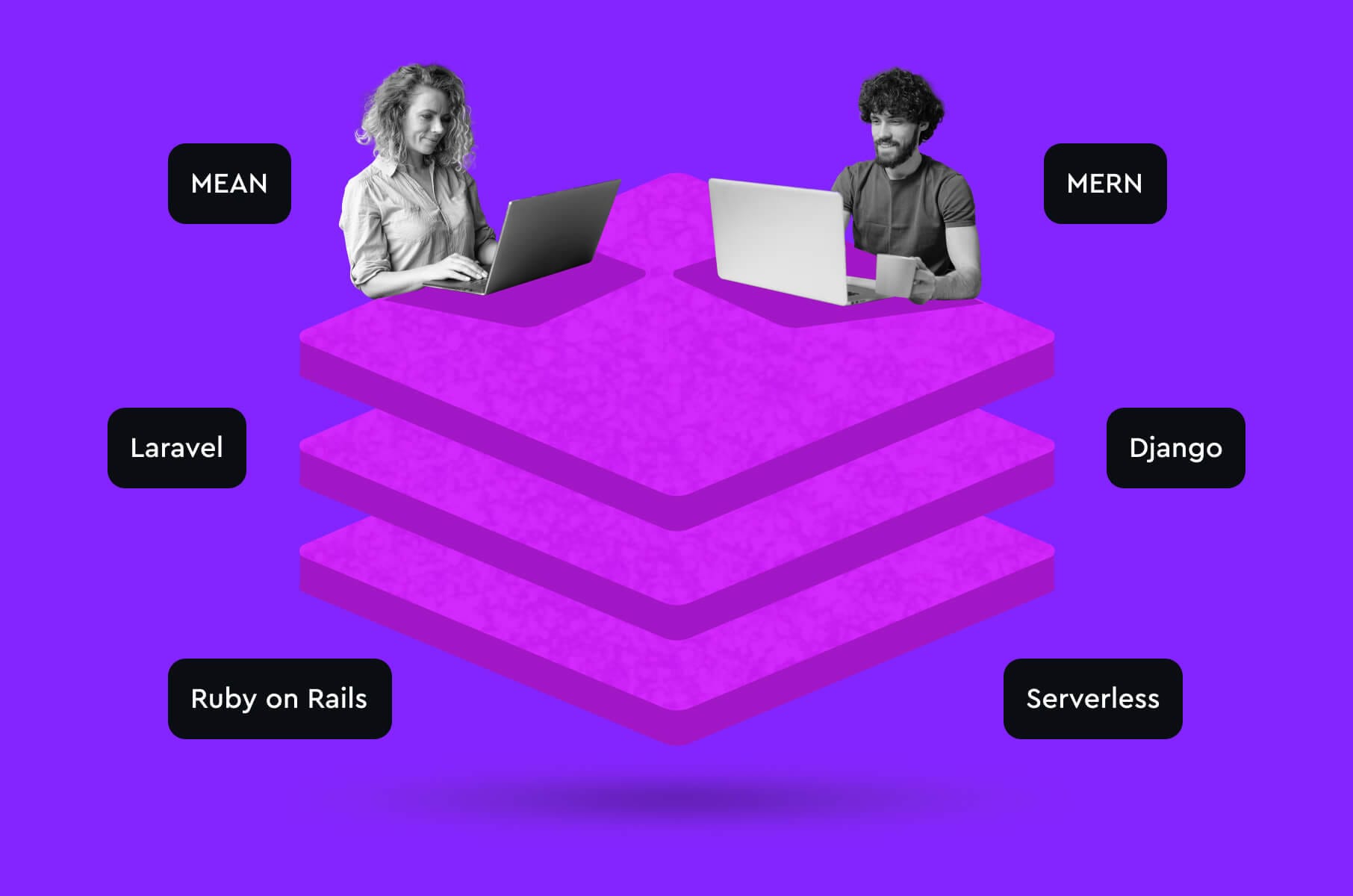
We choose the MVP technology stack around product requirements, existing systems, required integrations, technical constraints, and the engineering work included in the first release.


How our role changes across MVP projects
In Waffly, we handled POC and MVP development, while Promtify reflects our in-house product work. For NFT Bull, we delivered MVP design and Webflow development; for Zeebu, scope, core user flows, and implementation handoff.


Waffly
Waffly set out to make recorded audio searchable. The engagement began with a proof of concept to test the core AI workflow and plan the wider MVP. Product challenge The team needed a product plan and flexible architecture, while the POC had to validate AI transcription and semantic search together. Our contribution We interviewed stakeholders, researched competitors, shaped the plan and architecture, and built the POC with VOSK and Pyannote-audio while managing the third-party development team. Delivered In one month, the POC connected raw-audio transcription and semantic search in Waffly’s player. In a verified Clutch review, Waffly’s CEO said the POC helped Waffly raise its angel round and begin work on the full MVP.

Why product teams choose Merge for MVP development

Keep product decisions connected
Product, design, and engineering stay in one conversation within the agreed scope. Your team weighs interface choices against technical constraints.

Know who decides at each review
You agree review points, responsibilities, and decision owners with the delivery team, so each open question has a clear route to approval.

See change impact before adding work
Before work is added, the team assesses effort, dependencies, QA, budget, and timing. Changes to budget, timing, or deliverables require written approval.

Define Merge's role in the work
Merge can own a defined workstream or work alongside your team. You agree on responsibilities and handoff boundaries up front for that scope.

Fit the work to your environment
Both teams agree on tools, access, and cadence that work with your backlog, repository, stack, CI/CD, and review process before delivery begins.

Overall 4.9/5 across 67 reviews
Merge Rocks holds an overall 4.9/5 rating across 67 Clutch reviews. Read the client feedback when comparing partners for your MVP development.