0
Table of Contents
Clutch names Merge Rocks a Fall 2026 Global Award winner
We’re celebrating our Fall 2026 Clutch Global Award in User Research and Usability Testing with a look at a few selected projects. See what we researched and how we used what we found.
Merge Rocks has been named a Fall 2026 Clutch Global Award winner in User Research and Usability Testing.
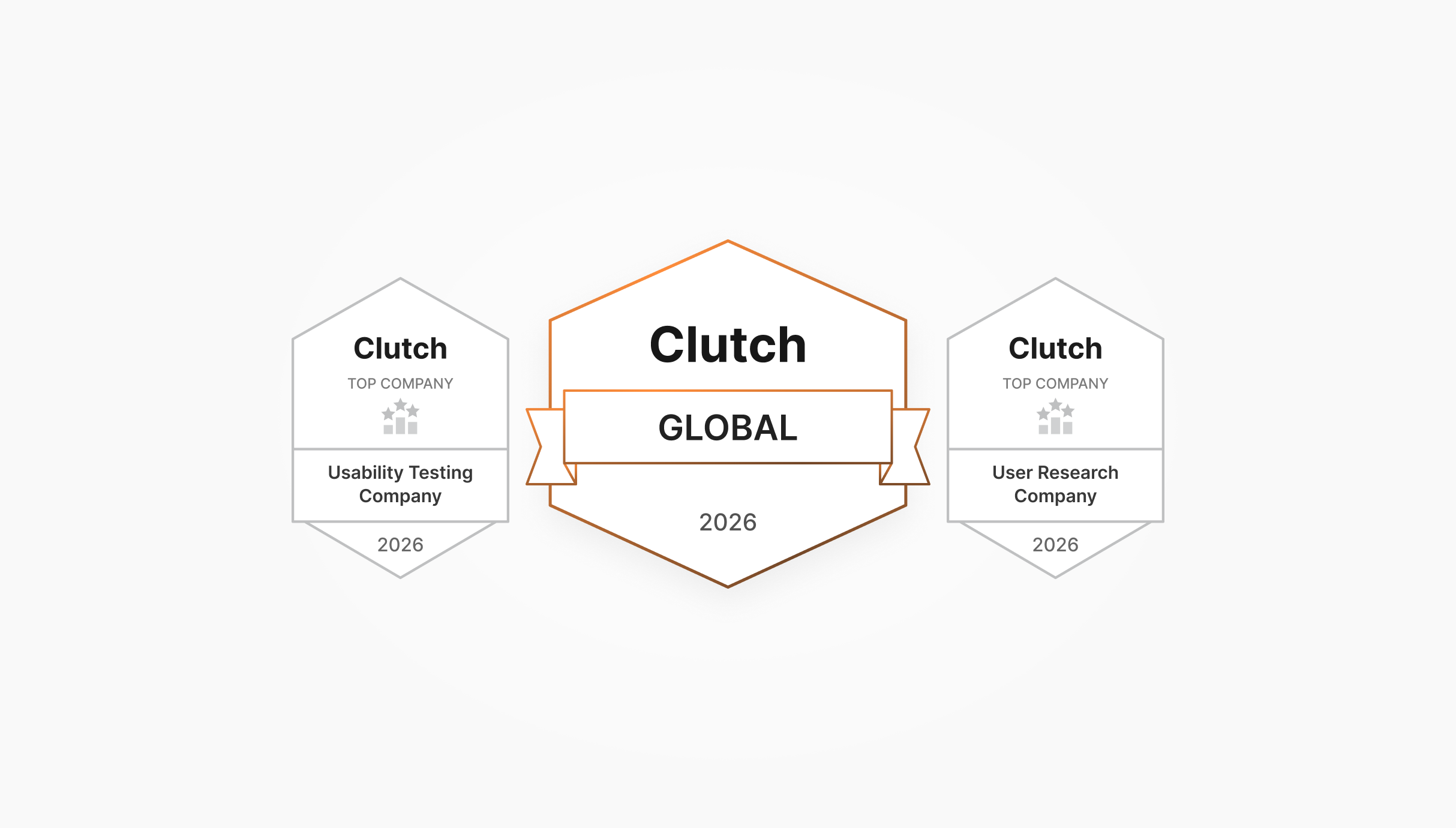
Clutch lists Merge Rocks at No. 4 in its Top 15 Usability Testing Firms ranking and at No. 12 on its Fall 2026 User Research list.
“We’re proud of the work our whole team has put in. A big thank-you to our designers, developers, and managers, and to our clients for working with us and trusting us to help grow their businesses. This award reflects eight years of hard work at Merge.”
— Paul Tseluyko, Co-Founder and CEO of Merge Rocks
The Clutch Global Awards are the platform’s highest honor. Clutch named 15 honorees worldwide in each of these two categories. Across design and business services, this fall’s awards recognized more than 300 agencies in 40 categories. Clutch selects honorees using its Ability to Deliver methodology, which considers verified client feedback, project success, industry expertise, and market presence. Read Clutch’s announcement.
“Design and creative partners shape how companies are seen, understood, and remembered by the customers they serve,” said Mike Beares, founder and board chair of Clutch.
We’re happy to share this with the people who made it possible. A big thank-you to our clients for trusting us with their products and to everyone at Merge for the care you put into the work. And congrats to all the other teams recognized this fall. We’re in good company.
What we researched on Merge projects
“Qualitative interviews are my favorite part of user research. Talking directly with a user or stakeholder is one of the best ways I know to understand what their experience is really like. Interviews can be expensive, so it’s worth asking whether you need them for the question at hand. What draws me to them is the psychology of the conversation. You have to help someone feel comfortable enough to speak openly, ask what you need to ask without putting them on the spot, and get as close as you can to how they use the product in real life. That’s what makes interviews challenging, and it’s also what I enjoy about them.”
— Alena Shalimova, UX/UI Designer at Merge Rocks
HeyLady is an online community where women practice spoken English. We spoke with members, coaches, and the community team to understand where people ran into trouble with group chats, channels, and finding events. The member interviews also helped us understand what people came to do, from finding someone to practice with right away to getting ready for a work opportunity. We used what we heard to prioritize changes and simplify how members find and join conversations. Read the HeyLady case study.
For a multi-asset trading platform, we ran six interviews and collected four survey responses to understand how investors worked and what they needed from the product. We also tested prototypes with users to get feedback on key steps in the platform. We pulled those findings together into 20 feature ideas for the client to consider. Read the trading platform case study.
For Invisibly, we studied what two groups needed from the same platform. Individuals wanted to manage their personal data, while businesses came for audience insights. We looked at what each group expected to find and where they ran into trouble, then designed separate dashboards using the same design system. Read the Invisibly case study.
For WeFight, we spoke with the team and looked at how visitors used the health website. We wanted to give readers a clearer next step from an article to the app. We designed different versions of a quiz for different groups of readers and placed them right in the articles. Read the WeFight case study.
For MO Story Sliders, we read reviews of existing Shopify navigation apps to find out what merchants struggled with during setup. We then designed a setup flow that lets merchants customize their slider and see the changes as they make them, all without writing code. Read the MO Story Sliders case study.
“My advice to teams is to keep the research as simple as the question allows. Be clear about what you need to find out, then do enough to answer that question well. That makes it easier for the team to act on what you learn and for the client to see why the research was worth doing.”
— Alena Shalimova, UX/UI Designer at Merge Rocks
See the full lists of Fall 2026 honorees in User Research and Usability Testing.